


Best Driveway Sealers for Scottish Weather: 2026 Guide

Last Updated: October 22, 2026
Quick Summary
The best driveway sealers for Scottish weather cure in damp, cool conditions and hold up to heavy rain, with breathable, vapour-permeable products chosen to match your surface. For concrete, a breathable solvent-based sealer such as Foundation Armor AR350 is often recommended, while block paving needs a permeable sealer applied to dry blocks.
Confirm UK stock and pricing before buying, as several reviewed products lack confirmed availability.
Fresh asphalt needs to cure for months before sealing to avoid trapping oils.
Plan around a dry forecast of at least two days and apply mid-morning.
Check surface temperature rather than air temperature, as paving can sit several degrees cooler.
Clean and re-sand block paving before sealing so the sealer bonds properly.
Table of Contents
Best Driveway Sealers for Scottish Weather: Quick Comparison
Best Concrete Sealer for Driveways UK Buyers Can Trust
Choosing a Block Paving Sealer for Scottish Weather
Tarmac Driveway Sealer UK Options Reviewed
Driveway Sealer Drying Time: What to Expect in a Scottish Climate
How We Evaluated These Driveway Sealers
Which Driveway Sealer Should You Pick?
Frequently Asked Questions
Best Driveway Sealers for Scottish Weather: Quick Comparison
Choosing the best driveway sealers for Scottish weather comes down to one thing: a product that cures in damp, cool conditions and holds up to rain that arrives sideways. At Drive Revive Haddington, we clean and restore block paving, patios and driveways across East Lothian. Most failures we come across aren't bad products; they're good products applied in the wrong conditions or picked for the wrong surface.
Below, we'll walk through the realistic options, what drying time actually means here, and how to decide which sealer suits your driveway.
Sealer | Best Surface | Key Strength | Main Limitation |
Foundation Armor AR350 | Concrete | Breathable, non-yellowing, self-levelling | Confirm UK availability before ordering |
Pavemade Asphalt Emulsion | Tarmac | Described as suitable for varied climates | Little UK spec or pricing data |
Gardner Driveway Sealer | Tarmac | Named a top pick in an asphalt review | UK availability unconfirmed |
Foundation Armor SX5000 WB | Concrete | Water-based formulation | Limited performance detail available |
Best Concrete Sealer for Driveways UK Buyers Can Trust
For concrete, a breathable, solvent-based product such as Foundation Armor AR350 is often recommended. Breathability matters more than most guides admit. Concrete holds moisture, and a film-forming sealer that traps it will blister and flake after a wet East Lothian winter.
AR350 is described in Bob Vila's driveway sealer review as solvent-based, non-yellowing, self-levelling and breathable. Those are the right attributes for a UK concrete drive. The self-levelling finish means fewer lap marks, which matters if you're applying it yourself.
The honest caveat: we can't confirm UK stock or pricing from the sources we reviewed, so check availability before committing. If you're searching for the best concrete sealer for driveways UK suppliers actually stock, confirm the tin is rated for exterior concrete and shows a breathable specification.
Choosing a Block Paving Sealer for Scottish Weather
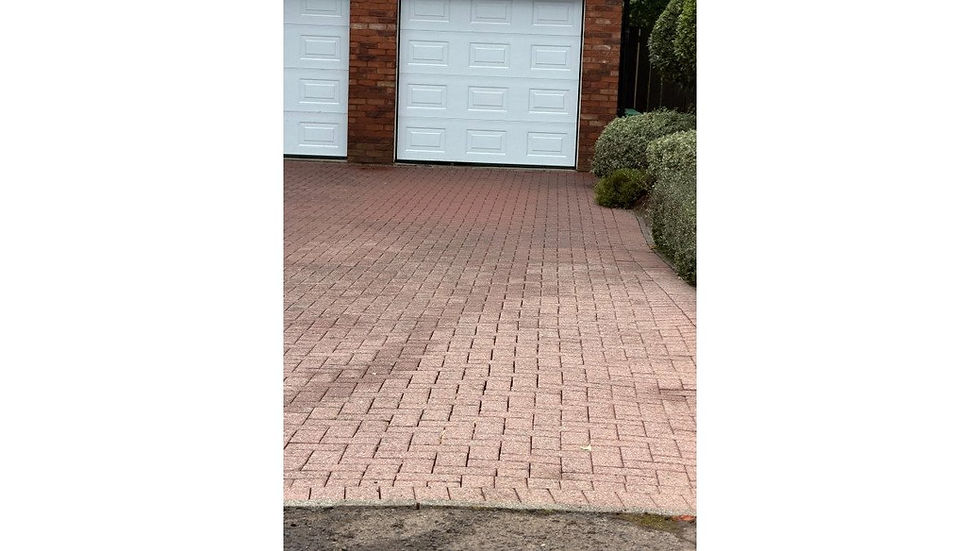
Block paving needs a different approach entirely, and this is where most DIY jobs go wrong. A block paving sealer for Scottish weather must be vapour-permeable and applied to dry blocks, because paving traps water in the sand joints and any moisture underneath a sealed surface has nowhere to go.

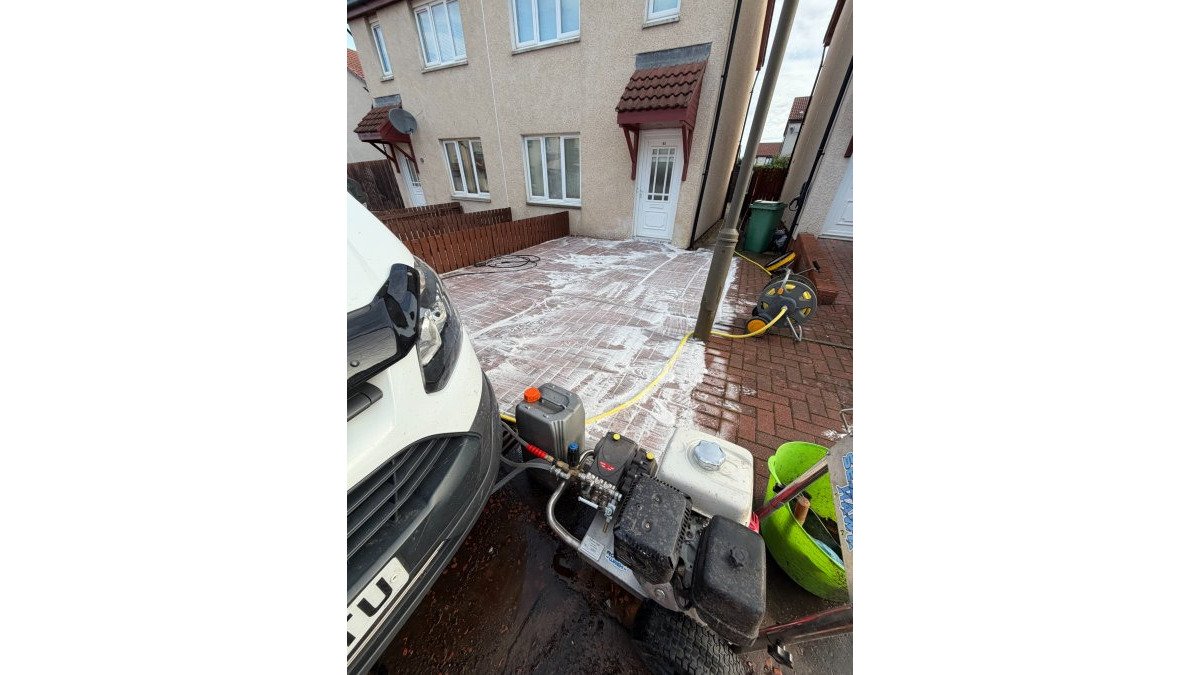
Watch Out Blasting a pressure washer at full power strips the kiln-dried sand from the joints, leaving white streaks and loose blocks. That damage is expensive to put right and is a common reason sealers fail within a season.
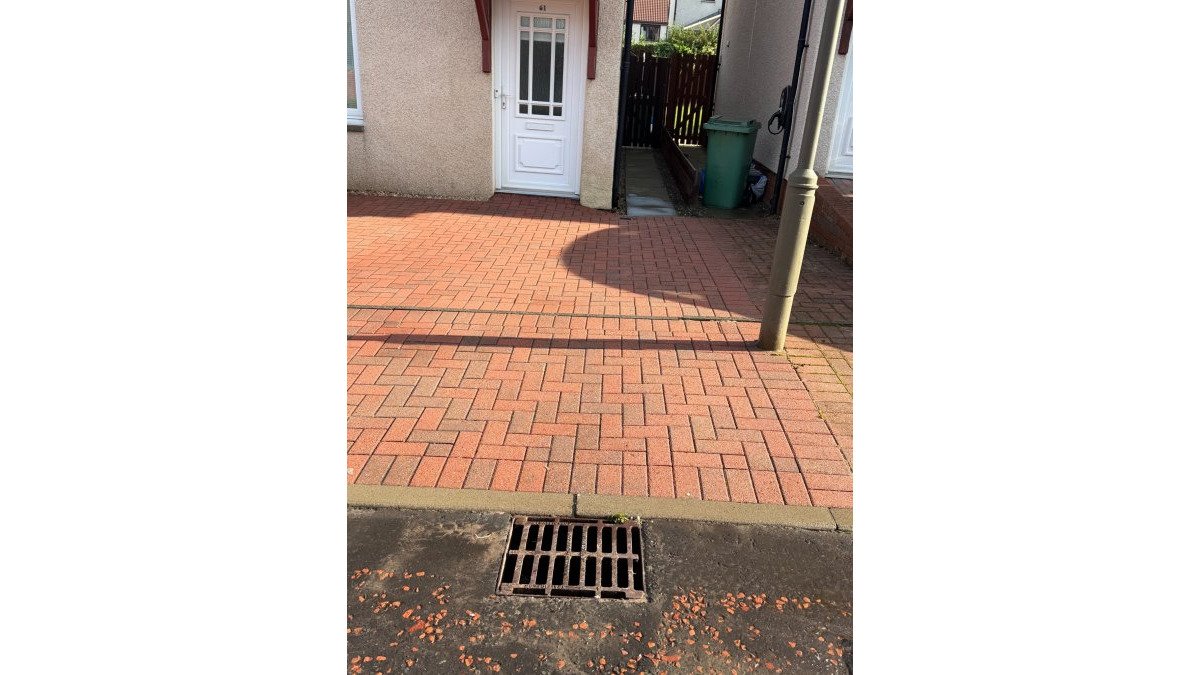
Sorting the cleaning and re-sanding first, then sealing, is generally recommended. A sealer applied over algae or missing joint sand won't bond and won't last.
Tarmac Driveway Sealer UK Options Reviewed
Tarmac is the surface where product choice narrows fast. A tarmac driveway sealer UK buyers can actually get hold of is usually an asphalt emulsion, and two names come up repeatedly in the reviews we looked at.
Pavemade Asphalt Emulsion Sealer is described by a sealcoating product review as suited to medium to large driveways and varied climates. Gardner Driveway Sealer was named the top pick in The Drive's asphalt sealer review. Both are worth shortlisting, but neither source confirms UK stock, so verify before you buy.
One thing nobody tells you about tarmac: fresh asphalt needs to cure for months before sealing. Seal too early and you trap oils that never set properly.
Driveway Sealer Drying Time: What to Expect in a Scottish Climate
Driveway sealer drying time in Scotland is longer than the tin suggests, and that gap catches people out. Most manufacturers quote drying times based on warm, dry conditions. Cool, damp air and short daylight hours stretch curing considerably.
Plan around a dry forecast of at least two days, apply mid-morning when the surface has warmed, and avoid sealing late in the day. If rain arrives before the sealer has cured, you'll likely need to start again.
Pro Tip Check the surface temperature, not the air temperature. Block paving and tarmac can sit several degrees cooler than the air on an overcast day, and cold surfaces slow curing dramatically.
How We Evaluated These Driveway Sealers
Each product was judged on four things: suitability for the surface, performance in cool and damp conditions, breathability, and whether UK buyers can realistically get hold of it. Availability carried real weight, because a brilliant sealer you can't buy in Britain is no use.
The research was thin in some areas. Several of these products lack confirmed UK pricing or stock, and this has been noted rather than guessing. It is important not to pretend a sealer suits Scottish weather when the evidence doesn't support it.
Which Driveway Sealer Should You Pick?
For concrete, a breathable solvent-based sealer like AR350 is often considered a sensible pick. For tarmac, shortlisting Pavemade or Gardner and confirming UK stock first is advisable. For block paving, prioritising a permeable sealer and getting the preparation right is important.
If you're near Haddington and want the job done properly, our team at Drive Revive Haddington handles professional pressure washing and restoration across East Lothian. We remove the algae and dirt buildup that ruins curb appeal and restore driveways and patios to a like-new condition.
Frequently Asked Questions
What is the best driveway sealer for Scottish weather?
There is no single answer because it depends on your surface. For concrete, a breathable solvent-based sealer like Foundation Armor AR350 is often cited as a strong all-rounder. For block paving, choose a penetrating sealer that stabilises jointing sand. For tarmac, an asphalt emulsion sealer such as Pavemade is described as suitable for varied climates. In every case, check the product is rated for cold, damp conditions and confirm UK availability before buying.
Can you seal a driveway in wet or cold weather?
Most sealers need a dry surface and mild temperatures to cure properly. Applying in wet or cold conditions risks a patchy finish, poor adhesion or a sealer that never fully sets. In Scotland, aim for a dry spell with no rain forecast for at least 24 to 48 hours and temperatures above roughly 10°C. Check each product's label, because some water-based sealers tolerate damper conditions better than solvent-based ones.
How long does driveway sealer take to dry?
Driveway sealer drying time varies by product and weather. Water-based sealers often touch-dry in 4 to 6 hours, while solvent-based products can take longer. Full cure typically takes 24 to 72 hours, and you should keep vehicles off the surface until it is fully set. Cool, humid Scottish conditions can extend these times, so always follow the manufacturer's guidance and avoid sealing if rain is due.
How long does driveway sealer last in the UK?
Most driveway sealers last between two and five years in the UK, depending on the product, surface and footfall. Tarmac sealers usually need reapplying every two to three years, while quality concrete and block paving sealers can last three to five years. Scottish weather, with its rain and freeze-thaw cycles, can shorten that lifespan, so inspect your driveway each spring and reseal when water stops beading on the surface.
Should you seal a tarmac driveway?
Yes, sealing a tarmac driveway is worthwhile. A tarmac driveway sealer UK products provide protects the surface from water ingress, UV fading and the freeze-thaw damage common in Scottish winters. It also restores the deep black finish. New tarmac should be left for around six months before sealing so it fully cures. After that, resealing every two to three years keeps the surface protected and looking fresh.
A clean, well-sealed driveway makes a genuine difference to how buyers and neighbours see your home, and getting it wrong costs more than getting it right. If you'd rather skip the guesswork, Drive Revive Haddington offers professional pressure washing, specialist block paving and driveway cleaning, and honest advice on protecting the finish. Request a free estimate and we'll tell you exactly what your driveway needs.
Request a Free Estimate
Comments