


Why Your Block Paving Goes Green (and What Actually Fixes It)

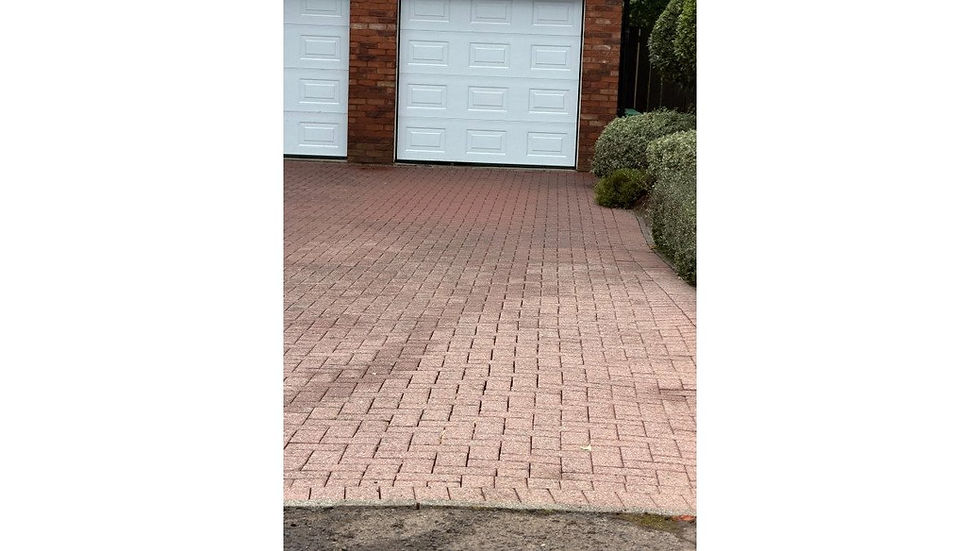
Green paving can make an otherwise tidy driveway look tired. You might also notice dark patches, moss between the blocks, or weeds pushing up through the joints. It’s a common problem across Haddington, North Berwick, Dunbar, Tranent and the wider East Lothian area.
The good news is that block paving can often be brought back to life. But a lasting improvement takes more than a quick blast with a pressure washer. The surface, the joints and the conditions that encourage growth all need attention.
Why does block paving turn green?
Algae and moss thrive where paving stays damp. In Scotland’s wet climate, surfaces can take longer to dry, especially in autumn and winter. Shaded areas beside walls, fences and hedges get less sunlight, while poor drainage can leave water sitting on the blocks.
Leaves, soil and other organic debris add to the problem. They hold moisture and create a place for growth to settle. Over time, green algae may spread across the surface, while moss builds up along edges and between blocks.
Dark marks can be a different kind of growth. Lichen attaches firmly to the surface and can leave stubborn grey or black spots. These marks are not always just dirt, so ordinary washing may not remove them completely.
The RHS guide to moss, algae and lichens on hard surfaces explains why these organisms appear and how conditions around a surface can affect them.
Why are weeds growing between the blocks?
The sand between paving blocks helps keep the joints filled and the blocks supported. Over time, rain, traffic and cleaning can wash some of that sand away. Empty or shallow joints then collect windblown soil and organic debris, giving weeds a place to take hold.
That’s why pressure washing alone is only half the job. A deep clean can remove grime and growth, but it can also disturb the joint sand. If the joints are left bare, weeds can return and the driveway may not look finished.

What actually fixes green block paving?
A careful restoration usually follows a few practical steps:
Remove weeds and loose growth. Moss and weeds are cleared from the surface and joints before cleaning.
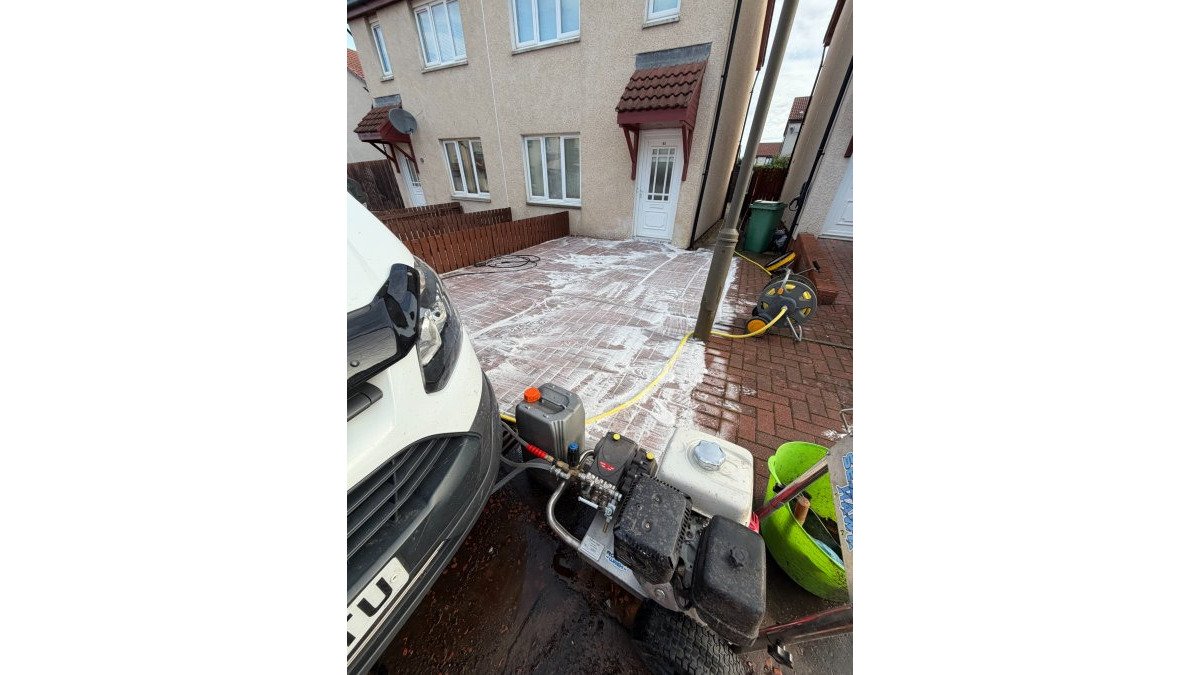
Deep clean the paving. The cleaning method and pressure are chosen to suit the blocks and their condition.
Allow the paving to dry fully. Re-sanding damp joints can stop the sand settling properly.
Replace lost joint sand. Kiln-dried sand is brushed into dry joints to refill them and help keep the blocks supported.
Apply biocide treatment where suitable. A surface-appropriate treatment can help control remaining organic growth and slow its return.
The order matters. Cleaning, drying and re-sanding work together to give the driveway a tidier, more complete finish. A biocide treatment can support the result, but it isn’t a permanent shield: shade, moisture and debris can still encourage growth over time.
Re-sanding is what helps complete the job
Once the paving is fully dry, fresh kiln-dried sand can be brushed into the joints. This helps restore the neat, filled-in appearance and supports the blocks. It also leaves fewer open gaps for soil and seeds to settle into.
Re-sanding is not a promise that weeds will never appear. Windblown seeds can still take root, particularly if leaves and soil are left on the surface. But replacing lost sand is an important part of driveway restoration and helps your paving look properly finished.

Can pressure washing damage block paving?
Yes, if it’s too aggressive or used carelessly. A concentrated jet held close to the surface can mark some paving, loosen block edges or remove too much joint sand. Older, damaged or delicate surfaces may need a gentler approach.
Professional cleaning is about choosing the right method, not simply using the highest pressure. We assess the surface and use suitable equipment to remove built-up grime while taking care around the joints. Some surfaces, such as older stone or render, may be better suited to a professional soft wash than direct pressure washing.
If you’re unsure which approach is right for your property, read our guide to pressure washing vs soft washing.
What about green growth returning?
Some regrowth is normal, especially where paving is shaded or stays damp. Regular sweeping helps remove leaves and soil before they build up. Keeping joints clear, improving drainage where possible and trimming back overhanging plants can also help the surface dry faster.
A biocide treatment is used to target organic growth and help slow regrowth. It should be suitable for the surface and applied according to the product instructions, with care taken around drains, planting and water.
For more practical advice, see our guide to preventing moss regrowth on patio slabs. The same basic habits (sweeping away debris and managing damp, shaded areas) can help keep other outdoor surfaces looking cleaner too.
Local driveway restoration in East Lothian
At Drive Revive Haddington, we provide driveway restoration for homeowners across East Lothian. Our service can include deep pressure cleaning, weed removal, precision re-sanding and biocide treatment, depending on the condition of your paving.
We also offer patio restoration, masonry cleaning, professional soft wash, fascias and soffits cleaning, and biocide treatment. Every surface is different, so we’ll discuss what’s suitable for your property before work begins.
We’re fully insured and focused on precision-driven quality, transparent upfront pricing and dependable local service. You’ll know what’s included before you book, with no pressure to go ahead.
You can also find more detail in our guide to professional driveway cleaning costs.
A cleaner, smarter finish for your driveway
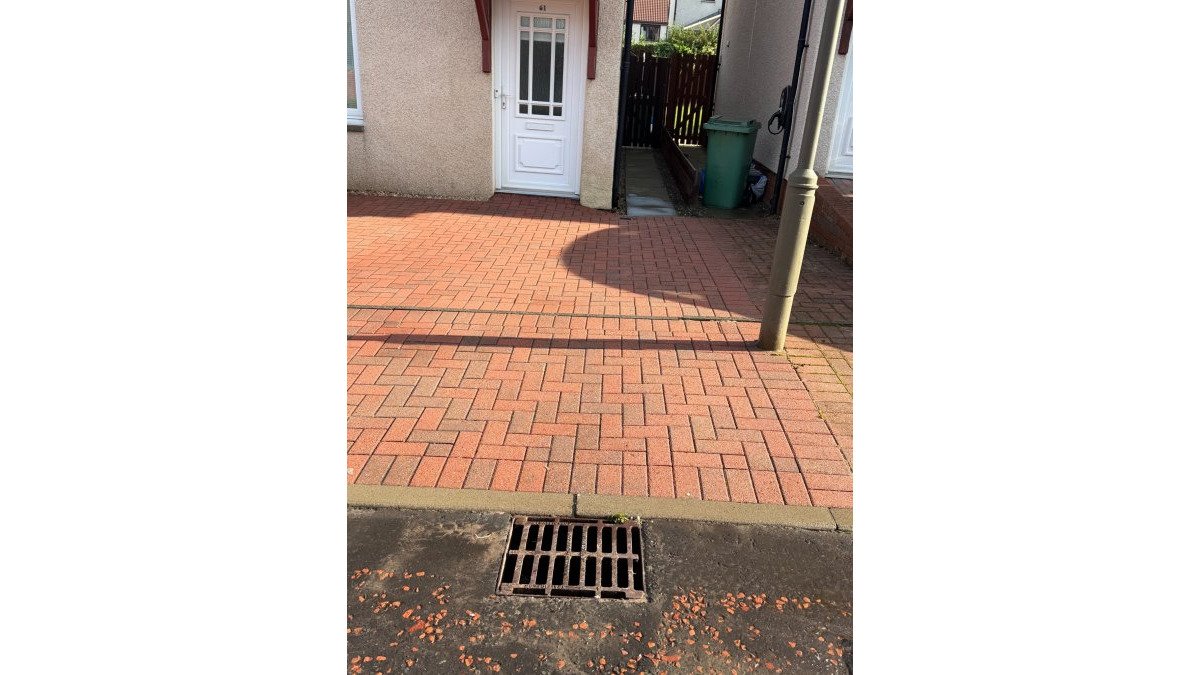
Green algae, moss, dark lichen spots and weeds can all affect the appearance of block paving. A proper clean can make a visible difference, while allowing the surface to dry and replacing missing joint sand helps complete the restoration.
If your driveway is looking tired, we’re happy to take a look and talk through the right approach. Get in touch with Drive Revive Haddington for a free quote for driveway cleaning in East Lothian. We’re local, fully insured and here to help you bring your outdoor space back to life.
Comments