


Restore Block Paving Curb Appeal: A 2026 Guide

Table of Contents
Why Restoring Block Paving Curb Appeal Matters
How Dirty Paving Affects Property Value and Safety
Tools and Materials You'll Need
How to Remove Moss from Block Paving
Pressure Washing Block Paving Safely
Avoiding Damage: Pressure, Nozzles and Joints
Re-sanding Block Paving Joints
How Often to Clean Block Paving
Common Mistakes That Ruin Block Paving
When to Call a Professional in East Lothian
Frequently Asked Questions
Last Updated: October 14, 2026
Why Restoring Block Paving Curb Appeal Matters
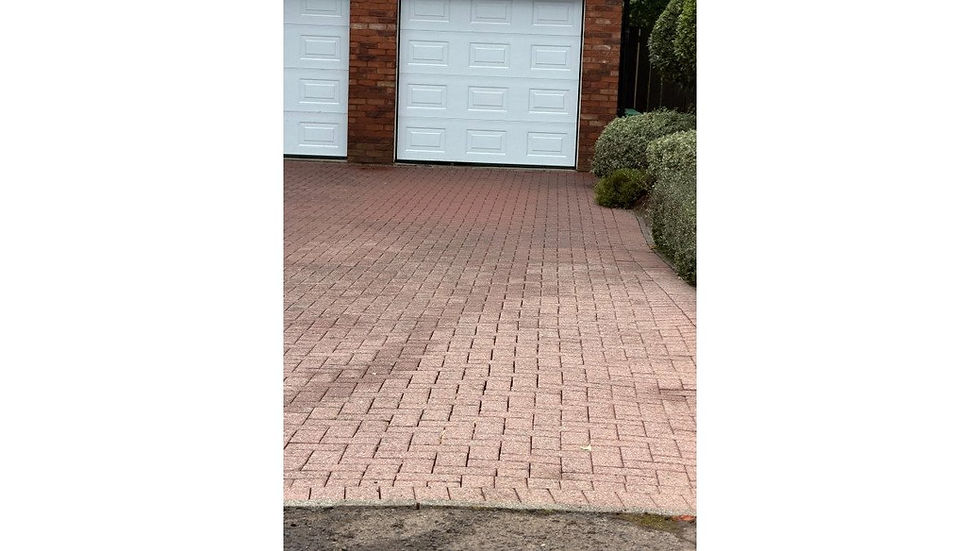
Block paving is one of the hardest-working surfaces on any property, and in East Lothian it takes a beating. Coastal winds, damp winters and long shaded spells leave driveways and patios wide open to algae, moss and black lichen. Left alone, that green film turns grey, then black, and the whole front of the house starts to look tired.
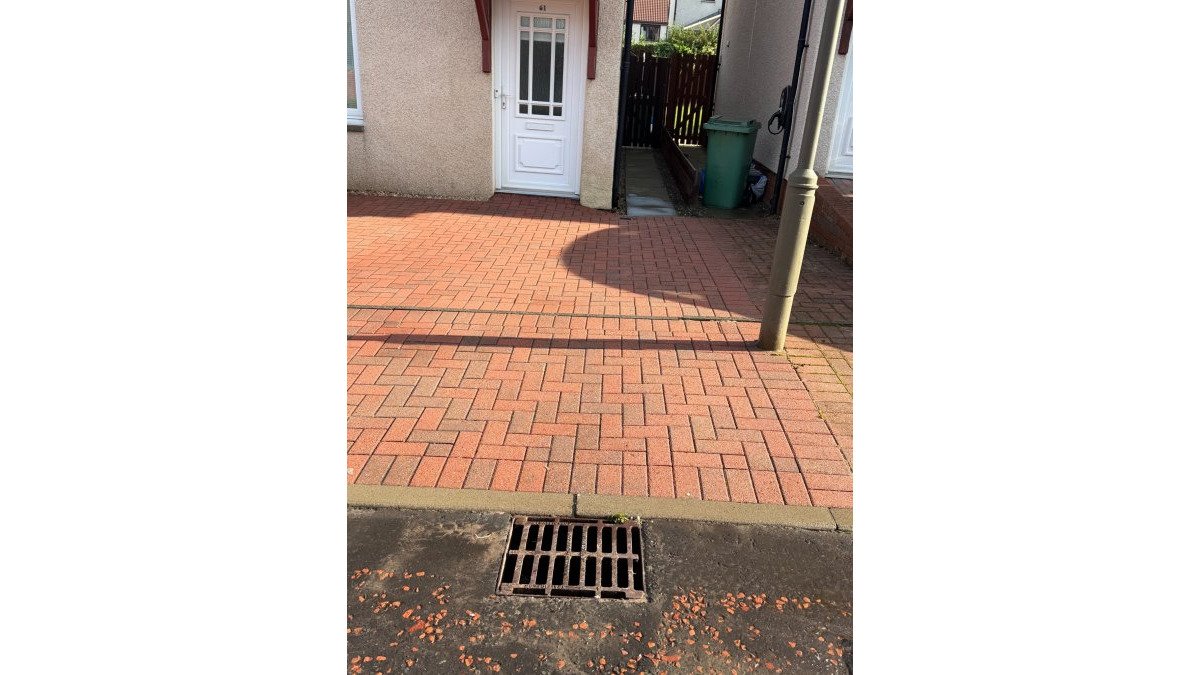
Restoring block paving curb appeal is the process of deep cleaning, re-sanding and protecting a paved surface so it looks sharp and stays safe underfoot. It is one of the cheapest ways to lift how a home presents from the street.
At Drive Revive Haddington, we clean driveways, patios and block paving across the area, and we see the same pattern on almost every job. The paving is not worn out. It is just dirty.
How Dirty Paving Affects Property Value and Safety
Dirt does two things at once: it drags down the look of a home and it makes the surface riskier to walk on.
Buyer first impressions. A green, streaked driveway signals neglect before anyone reaches the front door.
Slippery joints. Algae and moss hold moisture on the surface, which is a real hazard in wet weather.
Joint breakdown. Once weeds and moss work into the gaps, the sand washes out and blocks start to shift.
Surface staining. Black lichen and algae leave marks that only get harder to shift the longer they sit.
If you are selling next spring, a clean drive is one of the few jobs that pays you back in how the property reads in photographs and at viewings.
Tools and Materials You'll Need
A good result comes down to the right kit. Here is what you need for a full block paving clean and re-sand:
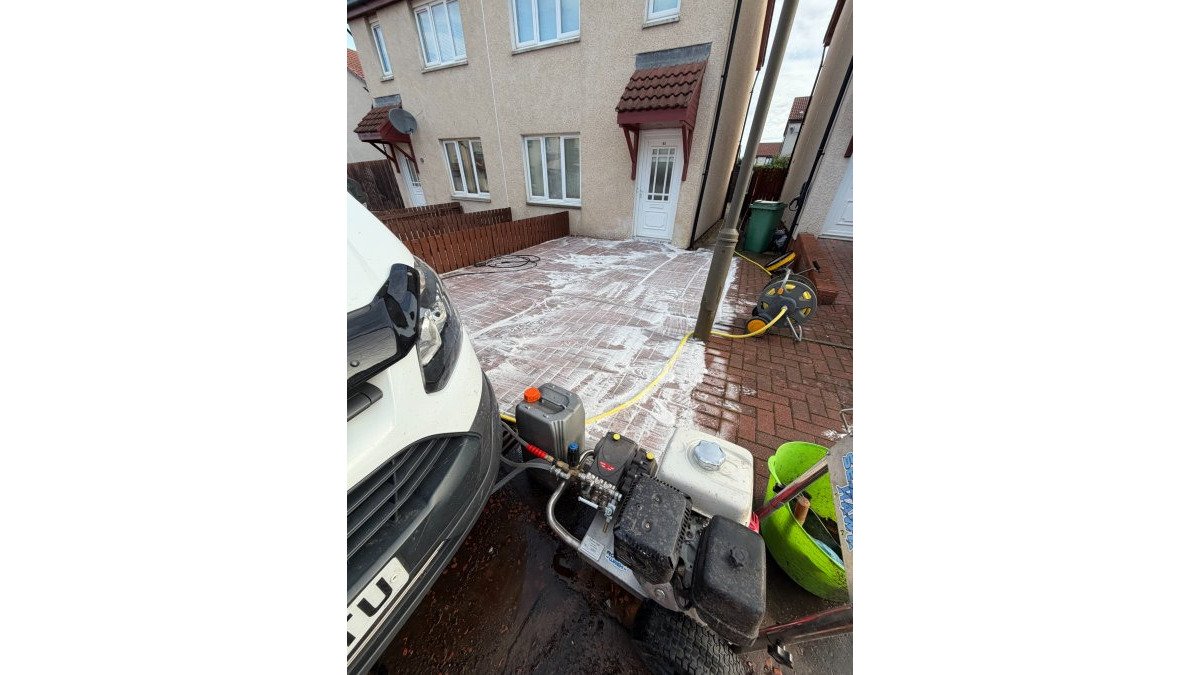
Pressure washer with a rotary surface cleaner attachment
Wide fan nozzle (25 or 40 degree) for rinsing
Stiff-bristle brush for edges and stubborn spots
Block paving cleaner (moss and algae treatment)
Kill-anything weed treatment for joints
Kiln-dried sand (or polymeric sand for high-traffic drives)
Rubber squeegee and a soft broom
Safety gear: gloves, eye protection, non-slip boots
Pro Tip Buy more kiln-dried sand than you think you need. A typical driveway swallows far more than the bag suggests once the joints are properly filled, and running short halfway through leaves you with a patchy finish.
How to Remove Moss from Block Paving
The fastest way to remove moss from block paving is to kill it first, then clean it off. Skip the killing step and you will be back out there within weeks.
Here is the order that works:
Brush off loose growth. A stiff broom lifts the top layer of moss and debris.
Apply a moss and algae treatment. Spray or brush it over the affected blocks and into the joints.
Leave it to work. Follow the product instructions, usually a day or two in dry weather.
Pressure wash the dead moss away. Dead moss releases far more easily than live growth.
Moss thrives in shade and damp, so north-facing drives and patios under trees need this treatment more often. Treat it as a routine job, not a one-off rescue.
Pressure Washing Block Paving Safely
Pressure washing block paving safely means using the right pressure, the right nozzle and the right technique. Get any of those wrong and you will strip the jointing sand and leave white streaks across the surface.
A rotary surface cleaner is the best tool for the job. It spreads the water pressure evenly and cleans in flat passes instead of a single jet. Work in sections, keep the wand moving and never hold it still in one spot.

Avoiding Damage: Pressure, Nozzles and Joints
Most DIY damage comes from three mistakes:
Too much pressure. High pressure blasts the sand out of the joints and can pit the block faces.
The wrong nozzle. A narrow pencil jet cuts into the surface. Use a wide fan nozzle for rinsing.
Getting too close. Keep the wand at a steady distance and let the water do the work.
If you see white streaks or loose blocks after cleaning, the sand has gone. That is not a disaster, but it does mean you need to re-sand straight away.
Watch Out Never pressure wash a block paving drive without planning to re-sand afterwards. Even a careful clean lifts some jointing sand, and bare joints let weeds and water straight back in.
Re-sanding Block Paving Joints
Re-sanding block paving joints is what locks the whole surface together. The sand fills the gaps, stops the blocks moving and blocks the weeds from coming back.
Do it when the paving is completely dry. Wet sand will not flow into the joints.
Pour kiln-dried sand over the surface in small sections.
Sweep it into the gaps with a soft broom.
Work at an angle to the joints so the sand drops in properly.
Top up any joints that settle low.
Compact the surface with a plate compactor or by hand-tamping.
For driveways with heavy use, polymeric sand sets firm and holds longer than plain kiln-dried sand. It costs more, but it saves you re-sanding as often.
How Often to Clean Block Paving
How often you clean block paving depends on shade, trees and local weather. As a rule, most East Lothian drives need a full clean once a year, with a lighter wash in spring if moss builds up.
Signs it is time:
Green or black film across the surface
Moss or weeds pushing up between blocks
The paving looks dull even after rain
The surface feels slick underfoot
Homes under trees or on shaded sides may need two cleans a year. Sunny, open drives can often go longer.
Common Mistakes That Ruin Block Paving
The same handful of errors cause most block paving damage. Avoid these and your paving will last far longer:
Using a turbo or pencil nozzle. These cut into the block surface and strip joints.
Cleaning without re-sanding. Leaves the paving loose and weed-prone.
Over-wetting the joints. Too much water washes the sand straight out.
Skipping the moss treatment. Dead moss comes back fast if it is not killed first.
Using harsh acid cleaners on coloured blocks. They fade the colour and dull the finish.
Cleaning in freezing weather. Water in the joints can freeze and crack blocks.
Key Takeaway The single biggest cause of ruined block paving is too much pressure with the wrong nozzle. A rotary cleaner on a moderate setting will always beat a jet on full power.
When to Call a Professional in East Lothian
Some jobs are worth handing over. If your drive has stubborn black lichen, widespread joint loss, or you tried a DIY clean and ended up with white streaks, a professional clean and re-sand will save you time and fix the damage.
Professional pressure washing in Haddington and across East Lothian is not just about blasting water. It is about controlling pressure, treating growth properly and re-sanding so the paving stays solid for years.
At Drive Revive Haddington, we clean block paving, brick pavers and driveways, and we re-sand joints as part of the job. We also run a community campaign offering a free driveway or patio clean for an elderly couple in Haddington, because looking after local homes matters to us.
If you want your drive looking sharp before a sale, or you just want it clean and safe again, we can help.
Frequently Asked Questions
How do you restore block paving?
Restoring block paving involves killing moss and algae, cleaning the surface with a pressure washer or specialist cleaner, removing weeds from joints, and then re-sanding and sealing. For badly stained or sunken areas, you may need to lift and relay individual blocks. Most driveways in East Lothian respond well to a deep clean followed by kiln-dried sand and a breathable sealer to keep them looking sharp.
Can pressure washing damage block paving?
Yes, if you use too much pressure or hold the lance too close. High pressure can blast out the jointing sand, leaving blocks loose and causing white streaks. Use a rotary surface cleaner at a moderate setting, keep the nozzle moving, and always re-sand the joints afterwards. If you're unsure, a professional pressure washing service will have the right equipment and experience to clean without causing damage.
How often should block paving be cleaned?
Most block paving benefits from a deep clean every 12 to 18 months, with a light sweep and weed removal in between. In shaded or damp areas of East Lothian, algae and moss can return faster, so you may need to clean every 9 to 12 months. If you notice slippery patches or dark green growth, it's time to clean regardless of the calendar.
Is it better to clean block paving yourself or hire a professional?
DIY cleaning works for light dirt and small areas, but stubborn black lichen, heavy moss, and large driveways are best left to a professional. A professional service will have commercial-grade pressure washers, surface cleaners, and the knowledge to re-sand and seal correctly. For homeowners in Haddington and across East Lothian, hiring a local specialist often saves time and prevents costly damage.
Block paving that has gone green, slick or weed-ridden is not a lost cause. It is a job that needs the right tools, the right order and a bit of patience. If you would rather hand it to someone who does this every week, Drive Revive Haddington offers professional pressure washing, specialist block paving cleaning and full re-sanding across the area. Request a free estimate and get your driveway and patio back to looking like new.
Request a Free Estimate
Comments